 Listicle
9 Fidget Toys to Buy for Anxiety Relief
Quick Summary
The best fidget toys for anxiety depend on how you plan to use them. Match the toy to your use case, such as grounding during a stress spike or staying discreet in meetings, then narrow by sound, texture, resistance, and movement. Silicone rings and squeeze toys suit most adults at work.
- Start by naming the job you want the fidget to do.
- Treat sound as a hard filter in shared offices or classrooms.
- Mid-range fidgets, about $10 to $25, are where most daily-use options sit.
- Check the age label and avoid small parts for younger children.
- Try one fidget for a week before committing to a full set.
Table of Contents
- How to Choose a Fidget Toy for Anxiety
- Fidget Toys for Adults with Anxiety at Work
- Discreet Fidget Toys for Adults in Meetings and Offices
- Quiet Fidget Toys for School and Classroom Use
- Sensory Toys for Stress Relief: Textures That Calm
- Price, Value and Materials: What to Compare Before You Buy
- Choosing Your First Anxiety Fidget and Setting Up a Trial Week
- Frequently Asked Questions
How to Choose a Fidget Toy for Anxiety
Choosing a fidget toy for anxiety is really a matching problem: you are trying to pair the way you fidget with a toy that fits your setting and your sensory preferences. Shoppers who get the most out of a fidget tend to pick by use case first and product second. Start by naming the job you want the toy to do, then narrow by sensory profile, then by setting.
Step 1: Name the use case. Four use cases cover most buyers:
- Grounding during a spike. You want something with steady resistance you can squeeze or press when stress rises fast. Squeeze toys, stress balls, and putty-style fidgets fit here because the resistance gives your hands something predictable to push against.
- Restless hands during focus work. You want continuous, low-effort motion you can do without looking. Spinners, magnetic rings, and sliders work because they keep the hands busy while the eyes stay on the task.
- Discreet use in shared spaces. You want near-silent operation and a small footprint. Silicone rings, slim sliders, and textured pocket pieces fit here.
- Sensory seeking. You want strong, varied input, bumpy textures, deep pressure, or pronounced clicks. Textured cubes, pop-style fidgets, and squishies fit here, but they are the least discreet options.
Step 2: Match the sensory profile. Sound, texture, resistance, and movement are the four dials that decide whether a fidget calms you or irritates you.
- Sound. Clickers and poppers are satisfying but audible across a room; silicone rings and sliders are close to silent. If you share an office or a classroom, treat sound as a hard filter, not a preference.
- Texture. Bumpy and ridged surfaces give strong tactile feedback; smooth silicone is gentler. People with sensory sensitivities often do better with smooth or lightly textured surfaces, while sensory seekers gravitate to pronounced bumps.
- Resistance. Firm squeeze toys give more feedback per motion; soft squishies give less. Higher resistance tends to feel more grounding, lower resistance more soothing.
- Movement. Spinning and sliding motions are repetitive and easy to do on autopilot; squeezing and pressing are more deliberate. Match the motion to whether you want to zone in or zone out.
Step 3: Filter by setting. A loud clicker may help a child focus in a classroom but disturb a shared office. A small magnetic ring fits a pocket, while a larger spinner works better on a desk. Check the size against where the toy will live, pocket, pencil pouch, or desktop, before you buy.
Step 4: Check durability and safety basics. Look for silicone or sturdy plastic over thin plastic, confirm the seller lists materials, and check the age label if the toy is for a child. Avoid small parts for younger users (Small Parts Ban and Choking Hazard Labeling).
Watch out: a fidget that feels good in the store can become a distraction at home. Try it for a full day of real use before you commit, and notice whether you reach for it or ignore it.
Fidget Toys for Adults with Anxiety at Work
Adults dealing with workplace stress often want a fidget that stays out of sight while still helping them settle. Squeeze toys and stress balls are a simple choice here. They give a steady, predictable motion that many people find grounding during calls or deadlines.
Magnetic rings are another popular pick because they can be turned between the fingers without drawing attention. Desk-focused fidgets sit comfortably beside a keyboard and can be used during long tasks. Pop-style fidgets offer a quick, satisfying click that some people reach for when their thoughts speed up.
Discreet Fidget Toys for Adults in Meetings and Offices
Discreet fidgets matter most when you need calm without anyone noticing. Our pick for this setting is a small silicone ring, because it moves quietly and blends into everyday wear. A slim slider or a textured stress ball kept in a jacket pocket works well too.
Pick a fidget with no clicking or rattling parts for shared spaces. Soft textures and smooth motion keep the focus on you, not the toy.
Quiet Fidget Toys for School and Classroom Use
Classroom fidgets need to be quiet, durable, and easy to put away. Teachers and parents often look for squeeze toys and textured cubes that do not roll off desks. Our guide to fidget toys for ADHD kids explains which quiet options suit children who need focus support. Avoid small parts that could be a choking risk for younger children, and check that any toy is labeled for the child's age.
Give the fidget a clear set of rules. Many families find that keeping it in one spot, such as a pencil pouch, prevents it from becoming a toy for the whole class.
Sensory Toys for Stress Relief: Textures That Calm
Texture drives much of the appeal of sensory toys. Some people find bumpy surfaces grounding, while others prefer something soft and smooth. Squishy fidgets, often called sugar squishies, offer a gentle, tactile experience that many people reach for during stressful moments. For a deeper look at sensory-needs options, see sensory-needs fidget toys.
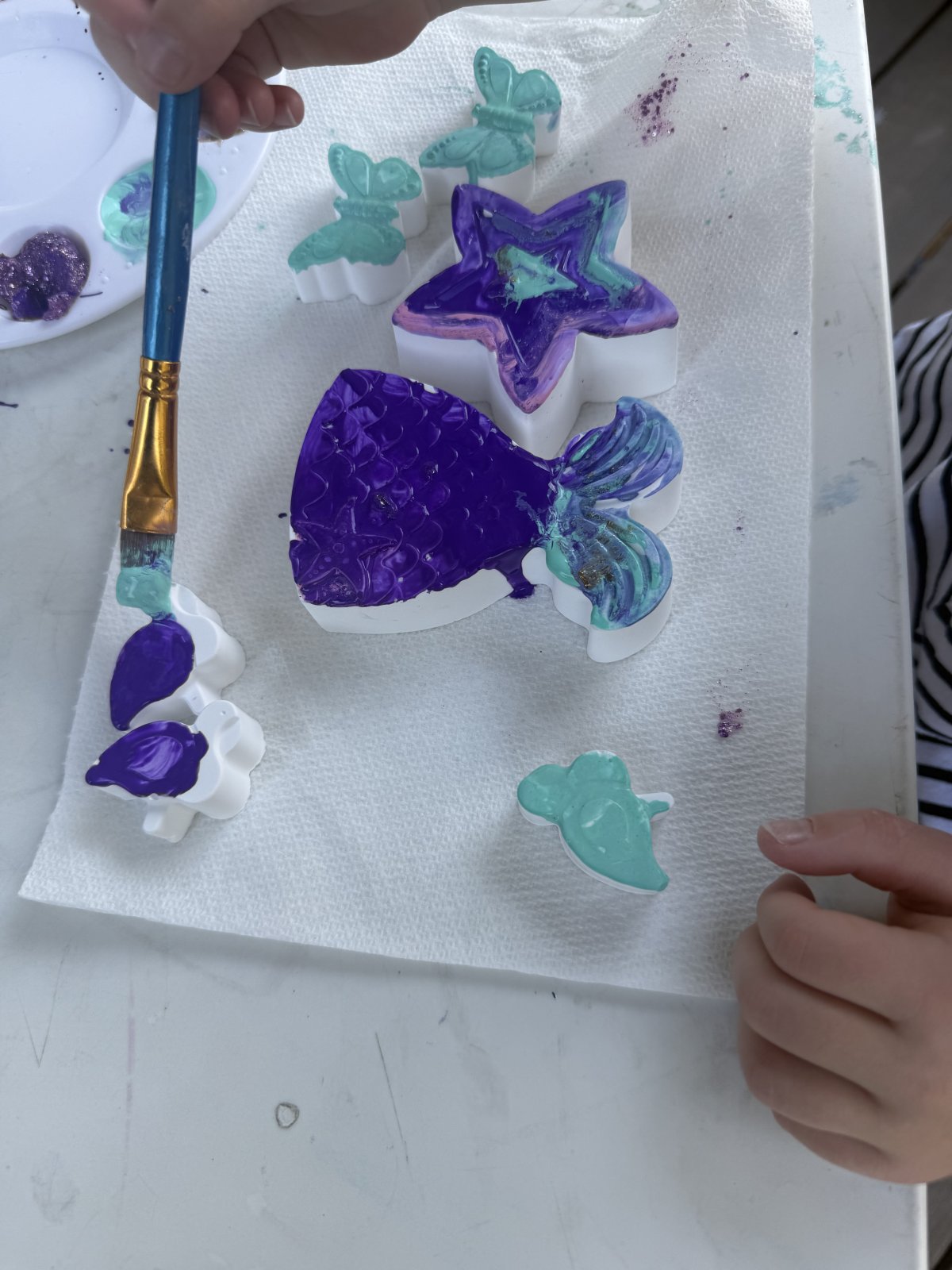
Try a few textures before deciding. Notice whether a bumpy surface calms you or irritates you, and whether a soft squish feels reassuring or distracting. Your answer tells you more than any product description.
Price, Value and Materials: What to Compare Before You Buy
This section breaks down the price tiers, the material trade-offs, and the care and safety questions that decide how long a fidget lasts.
Price tiers. Fidget toys generally fall into three bands, and the band tells you a lot about durability:
- Budget (roughly under $10). Usually thin plastic, simple pop or spinner designs, and mass-produced. Fine for a trial or a party favor, but hinges and joints tend to loosen with daily use.
- Mid-range (roughly $10-$25). Silicone rings, sliders, textured cubes, and better-built spinners. This is where most daily-use fidgets sit, and where the price-per-use math starts to favor you.
- Premium (roughly $25 and up). Machined metal, 3D-printed designs, and custom or personalized pieces. You are paying for materials, tolerances, and often small-batch production.
Check the retailer's current price before you buy, since fidget pricing moves with sales and bundles.
Value per use. Compare the sticker price against how often you will actually use the toy. A cheaper item that breaks after a few weeks can cost more in practice than a sturdier one. The durable option usually wins on value even when it loses on sticker price.
Materials. Silicone and sturdy plastics generally hold up better than thin plastic. Metal fidgets feel more substantial but can be heavier and louder. Ask any seller what material a fidget is made from and whether it has been finished, since rough edges matter for sensory-sensitive users.
Cleaning and care. Silicone and plastic wipe clean with soap and water; avoid soaking metal pieces with moving parts, and check whether bearings or magnets are sealed. Textured surfaces trap dust and hand oils, so plan on a quick wipe-down routine.
Safety. Check the age label, avoid small parts for younger children, and inspect magnetic fidgets for loose magnets, swallowed magnets are a serious hazard. For shared or classroom use, confirm the toy has no parts that can detach under normal handling.
Accessibility. If you have limited dexterity or use one hand, look for larger surfaces, lower resistance, and designs that do not require fine pinching. Silicone rings and squeeze toys are generally easier to operate one-handed than small sliders or spinners.
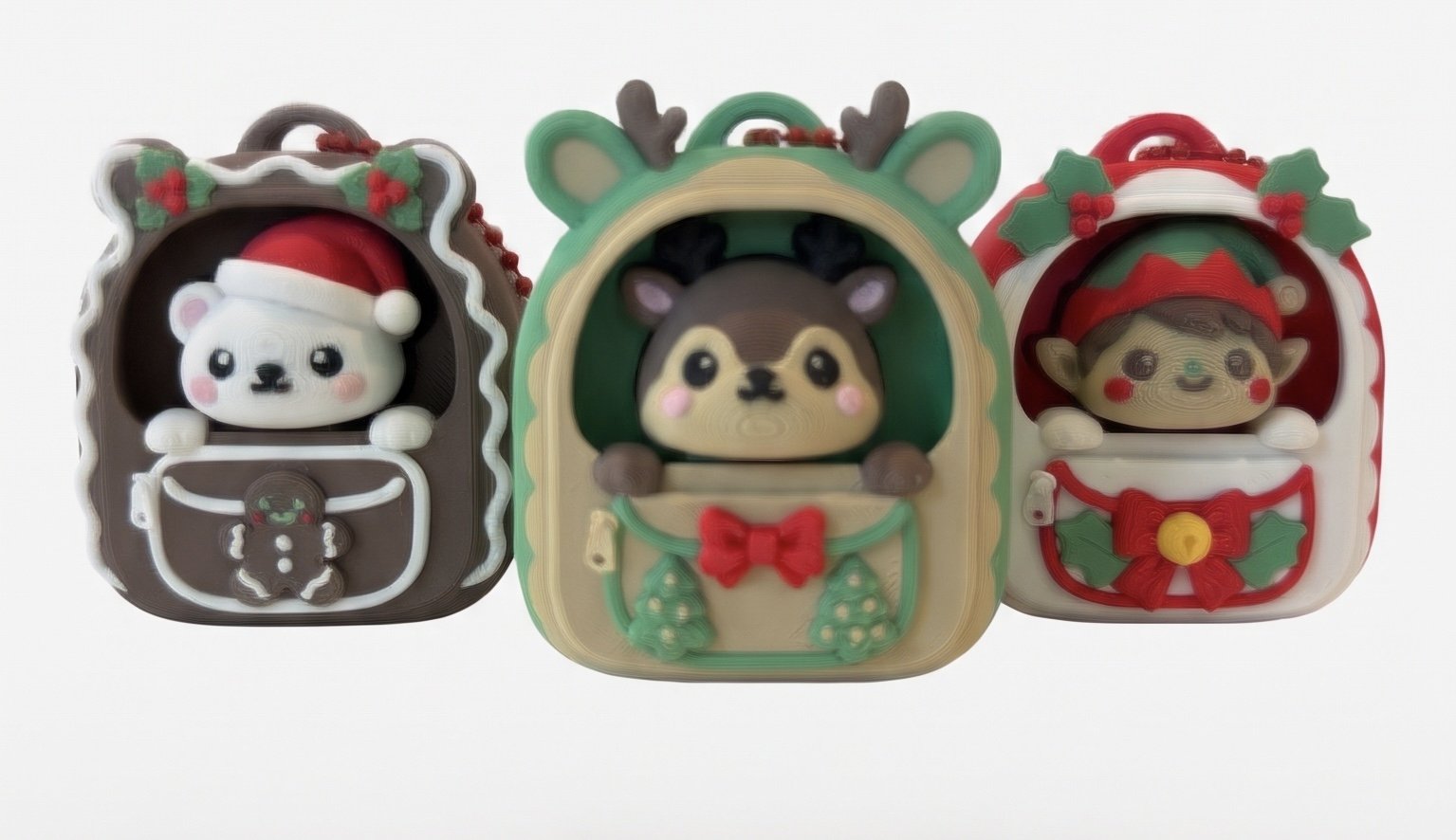
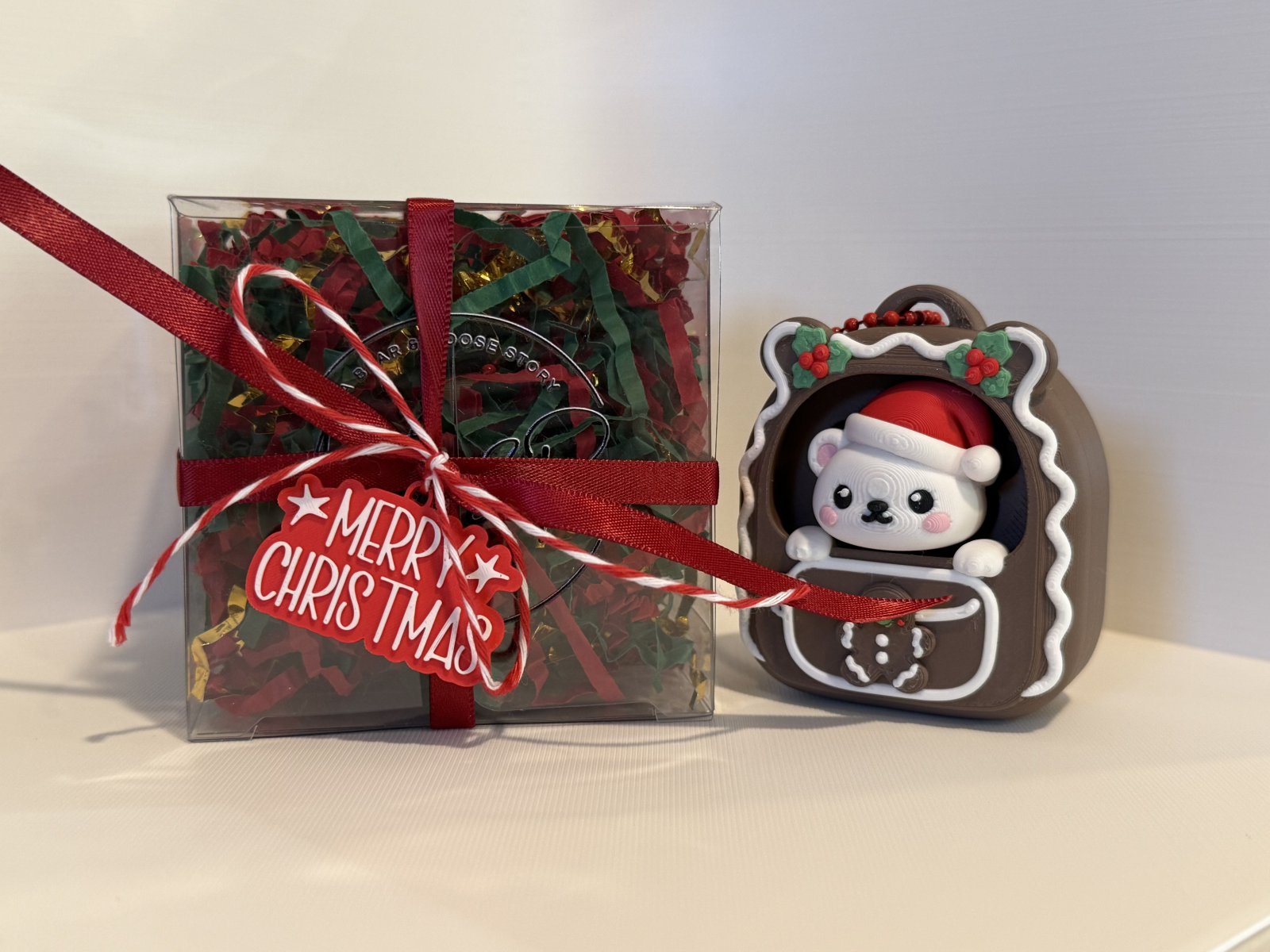
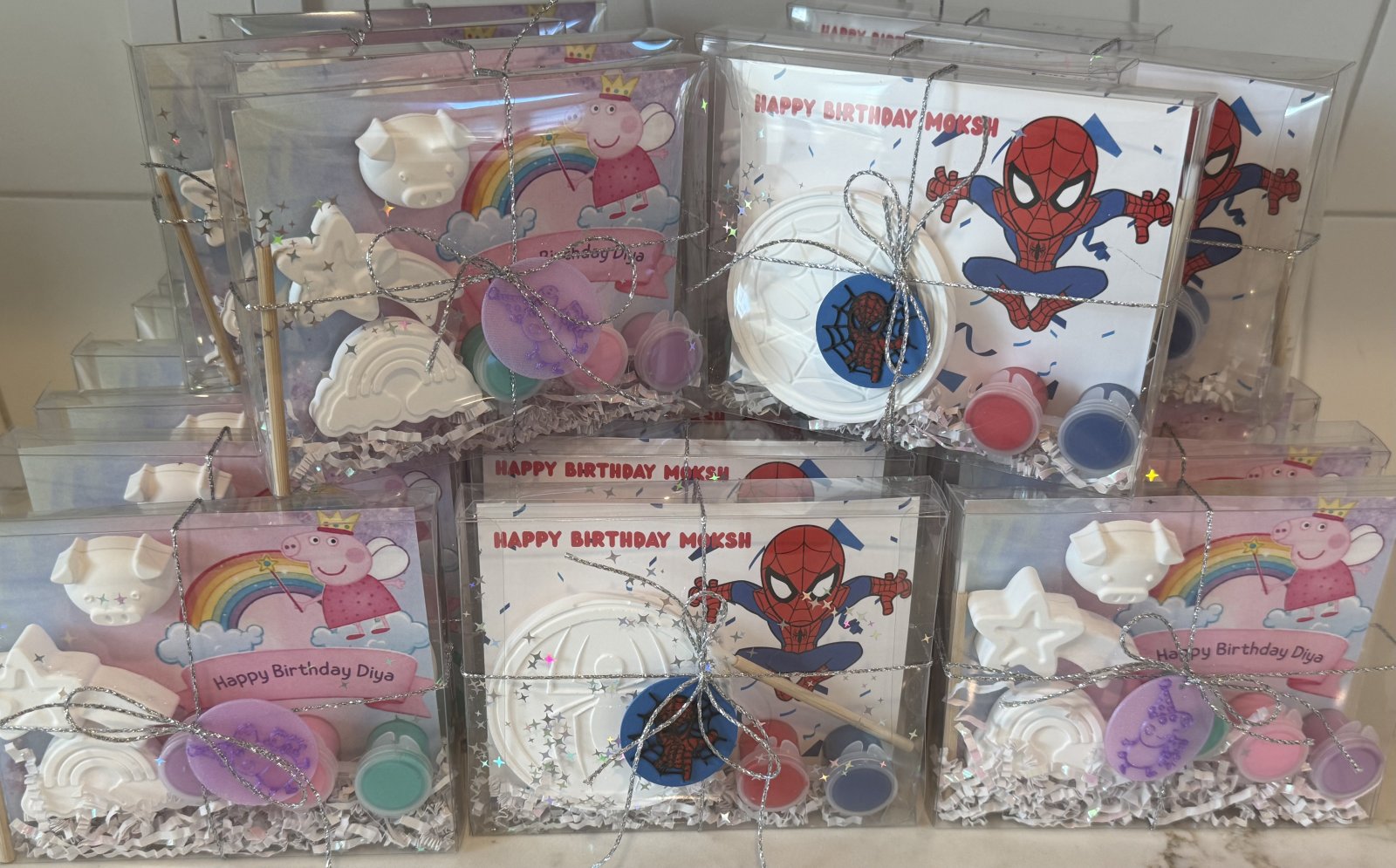
Our own shop, Party Favors & Gifts, sells 3D-printed fidget toys, custom bag charms, and DIY painting kits. Proceeds from our products support Children's Hospital of Colorado. Pricing depends on the item and quantity, so check our website for current prices.
The three price bands below show how cost tracks with durability, so you can judge value before buying.
Price band | Typical price | What to expect |
|---|---|---|
Budget | Under $10 | Thin plastic; joints may loosen with daily use |
Mid-range | $10-$25 | Silicone and better-built spinners; most daily-use fidgets |
Premium | $25 and up | Machined metal, 3D-printed designs, custom pieces |
Choosing Your First Anxiety Fidget and Setting Up a Trial Week
Start with one fidget, not a full set. Choose the style that matches where you will use it most, whether that is a desk, a bag, or a classroom. Use it for one week and keep a short note on when you reached for it and whether it helped.
If it works, keep it where you need it. If it does not, try a different texture or style. A fidget is a tool for managing stress, not a cure, so pair it with the other habits that support you.
For a personalized option, visit Party Favors & Gifts to explore our collection of 3D-printed fidgets and custom bag charms, made with care and designed to bring a little comfort to your day.
Frequently Asked Questions
What are the best fidget toys for anxiety?
The most commonly recommended options are squeeze toys, magnetic rings, desk fidgets and sensory squishies, because each offers quiet, repeatable tactile input. Spinners and sliders suit people who want a rhythmic motion. The right choice depends on where you will use it and whether you need something silent. Compare a few options by texture, noise level and size before buying, and start with an inexpensive version to see whether a fidget suits your routine.
Do fidget toys help with anxiety?
Some people find that fidget toys help them settle and focus during stressful moments, and this is the main reason they are sold for anxiety. Research on the benefits is limited, and several reviews note that claimed benefits have not been firmly proven for everyone. Treat a fidget as a supportive habit rather than a treatment. If anxiety affects daily life, talk with a licensed health professional about other options alongside any tool you use.
What fidget toys are discreet enough to use at work or school?
Quiet, small items are the most discreet choices. Magnetic rings, fabric-covered stress balls and slim desk fidgets make little or no sound and can be used with one hand under a desk. Avoid pop-style toys and spinners in shared spaces, since they click or whir. Check whether your workplace or school has rules about fidgets before bringing one in, and choose a size that fits in a pocket or pencil case.
Where can I buy unique fidget toys for anxiety online?
Party Favors & Gifts carries 3D-printed fidget toys and custom bag charms, and each purchase supports the Children's Hospital of Colorado. Pricing depends on the item, quantity and delivery options, so visit the Party Favors & Gifts website for current prices or to request a quote. Shoppers comparing options can also review sensory-toy retailers and marketplace search results to see a wider range of styles.