 Listicle
Are Handcrafted Gifts That Support Charity Worth It?
Last Updated: November 10, 2026
Quick Summary
Handcrafted gifts that support charity are small handmade products where part of the price goes to a cause, so the gift is thoughtful and the money does some good. They are worth buying for the cause, but the charitable part is not automatically tax-deductible, so treat it as a bonus rather than a tax strategy.
- Americans gave an estimated $592.50 billion to charity in 2024, up 6.3% from 2023.
- World Vision lists handcrafted gifts starting at $25 in its charity gift catalog.
- Buying a cause-linked gift does not automatically make it tax-deductible; only gifts to qualified organizations may be.
- Ask whether a donation gift ships a physical token, a card, or a catalog choice before you order.
- Check the stated amount or percentage, named beneficiary, and payment schedule before trusting a charitable claim.
Table of Contents
- How Handcrafted Gifts That Support Charity Work
- Gifts That Give Back to Charity for Children and Families
- Unique Handcrafted Gifts That Support Charity for Home and Kitchen
- Handcrafted Gifts That Support Charity for Her
- Donation Gifts in Someone's Name: What to Know
- How to Check Whether a Gift Really Supports a Cause
- Choosing Your Charitable Gift Before the Next Occasion
- Frequently Asked Questions
How Handcrafted Gifts That Support Charity Work
Handcrafted gifts that support charity are small, made-by-hand products where part of what you pay goes to a cause. Americans gave an estimated $592.50 billion to charity in 2024, up 6.3% from 2023 (National Philanthropic Trust, Charitable Giving Statistics).
Gift sellers present these products as a way to connect a purchase with community support. World Vision lists handcrafted gifts starting at $25 in its catalog (World Vision Charity Gift Catalog). Stand Together describes handcrafted snacks, jams, and coffee as supporting community transformation (Stand Together, Gifts for Good).
Here is the catch. The IRS says contributions to individuals are not deductible, and only gifts to qualified organizations may be (IRS Topic No. 506, Charitable Contributions).
Gifts That Give Back to Charity for Children and Families
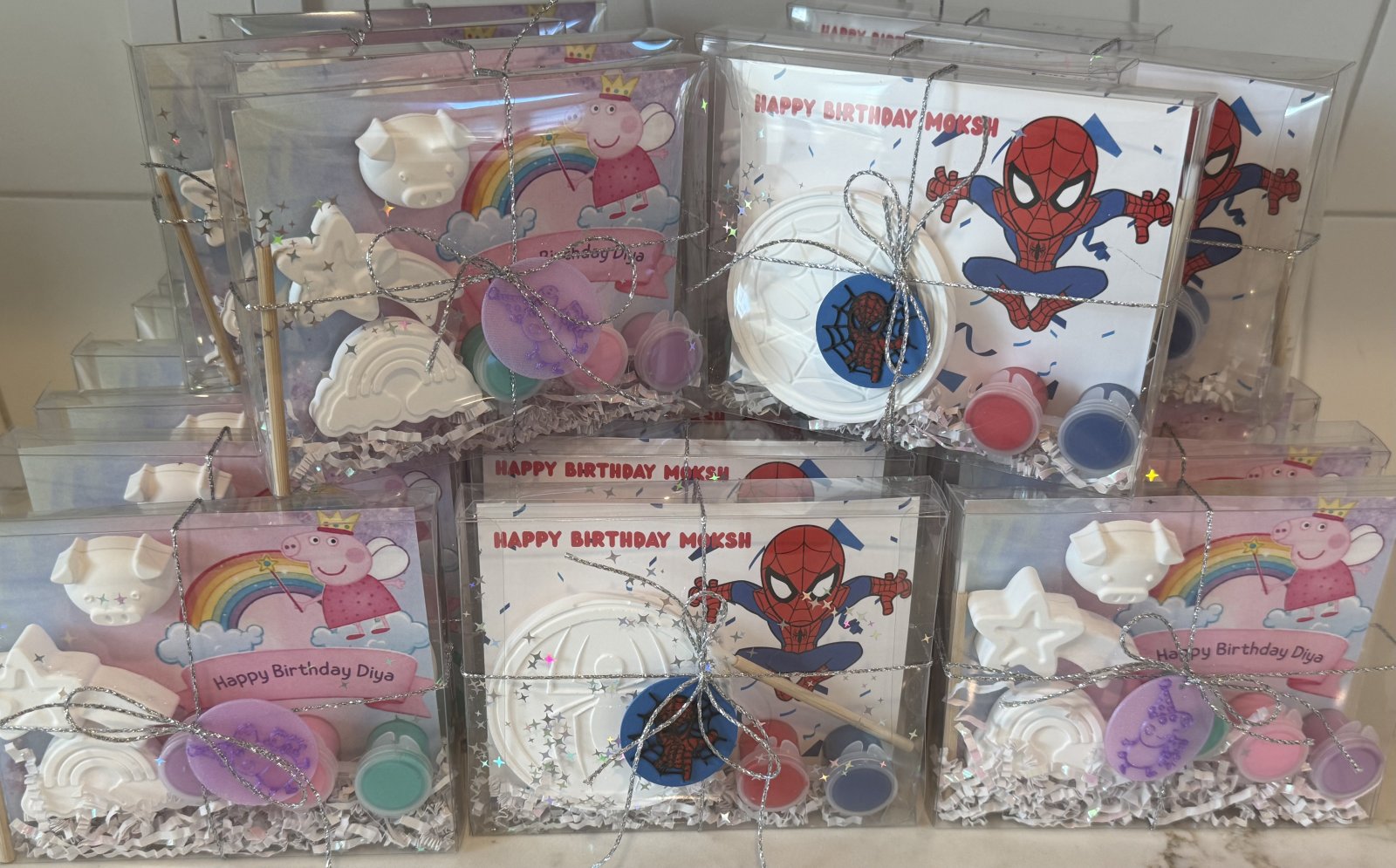
Kids and families are one of the most common causes behind these gifts.
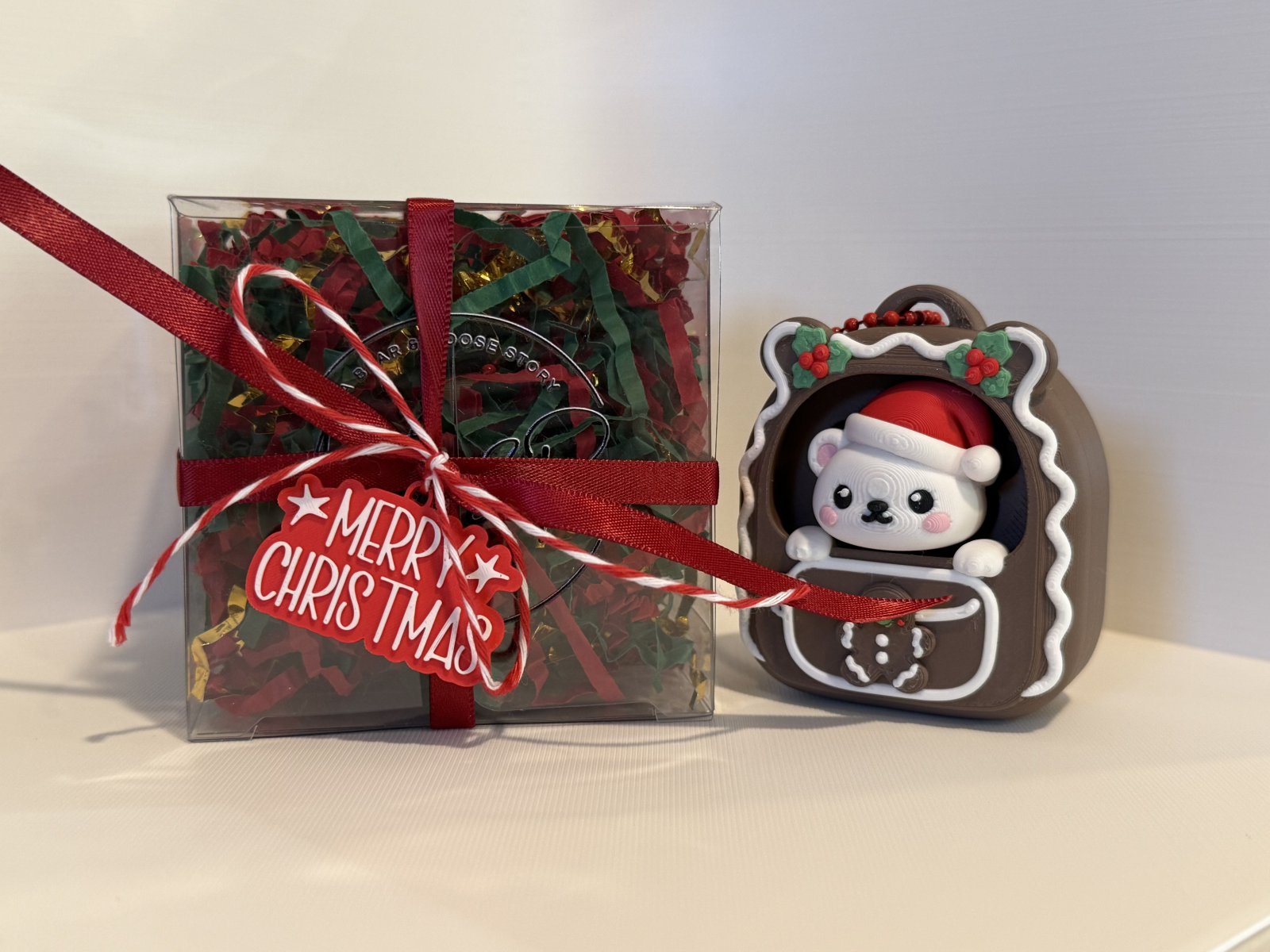
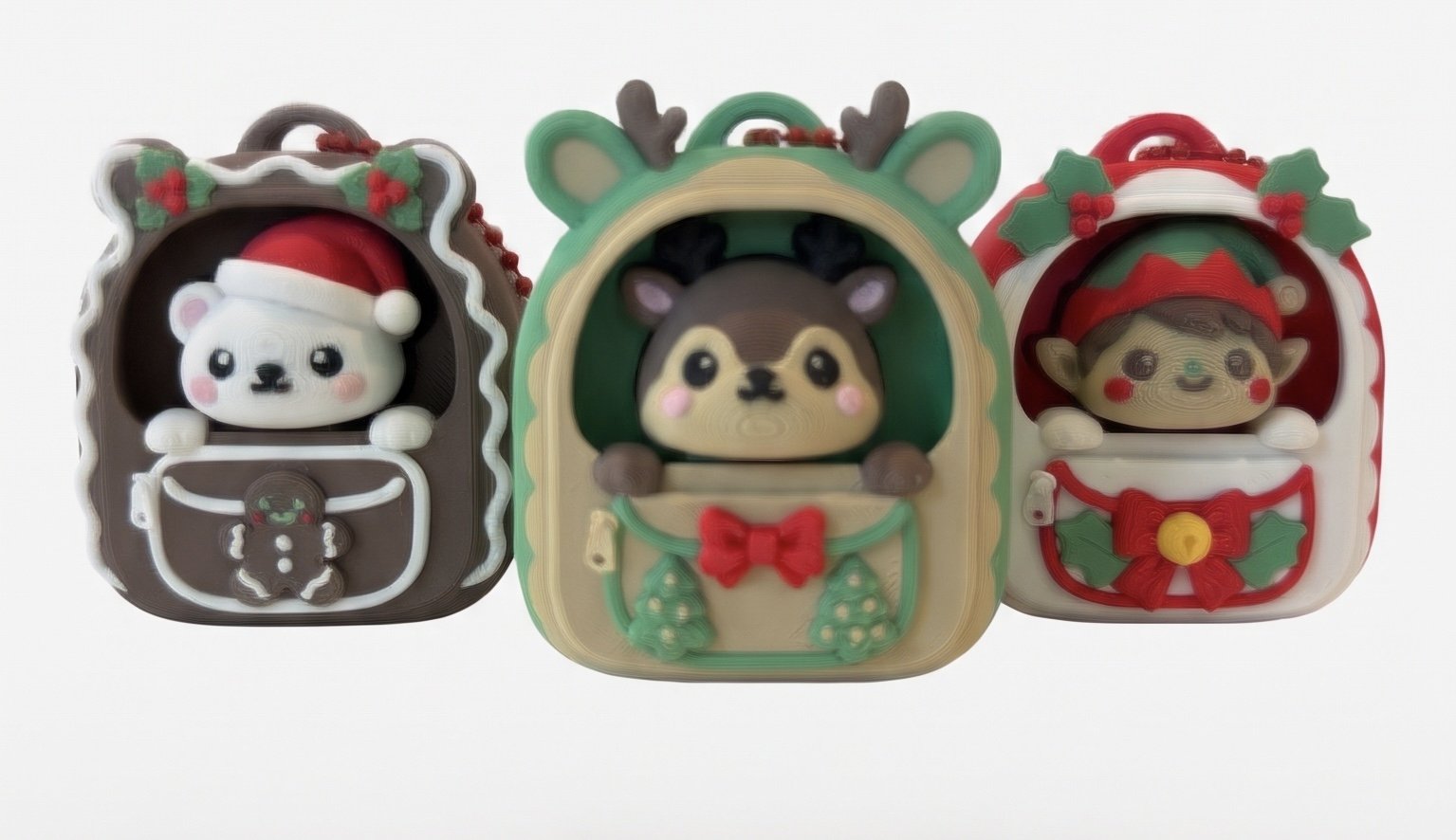
Our own range leans this way. For more ideas, see our stocking stuffers guide and our party favors for kids guide.
Unique Handcrafted Gifts That Support Charity for Home and Kitchen
Home and kitchen gifts are a natural fit for handcrafted products. Ten Thousand Villages offers handmade home goods, jewelry, stationery and kitchen items through a nonprofit marketplace.
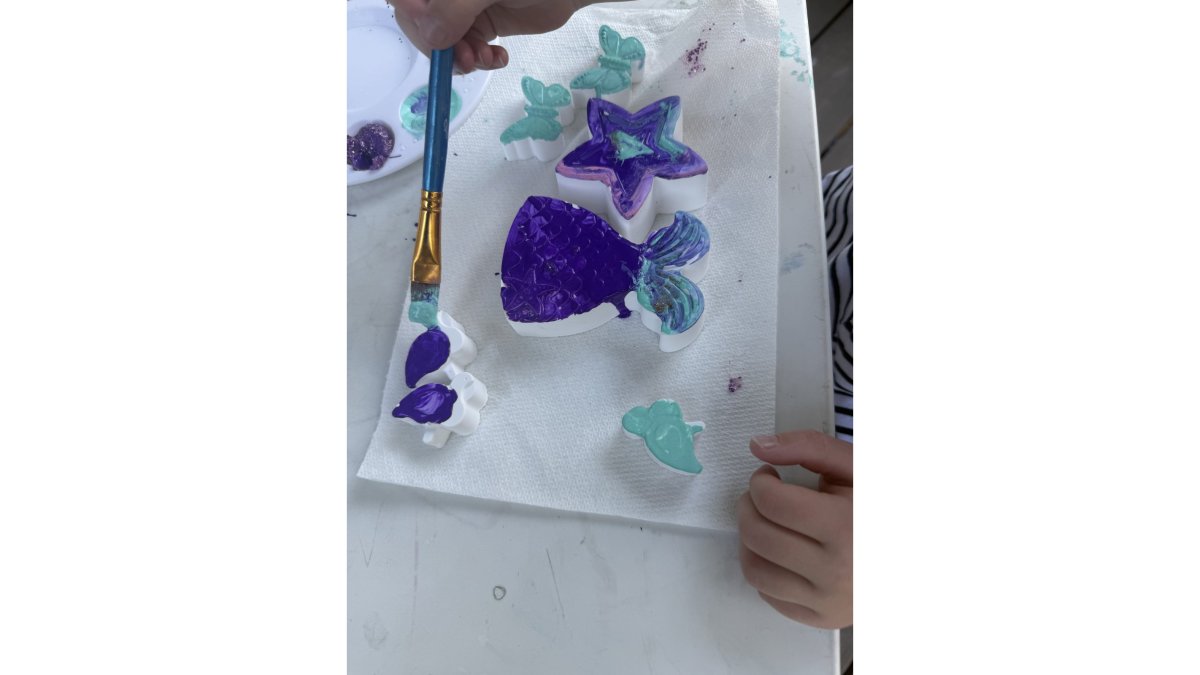
For a DIY angle, a painting kit can make a hands-on present. See our DIY painting kits guide for help choosing one.
Handcrafted Gifts That Support Charity for Her
Jewelry and accessories are popular with buyers who want something wearable.
Our own accessories, including custom bag charms and keychains, support Children's Hospital of Colorado.
Donation Gifts in Someone's Name: What to Know
A donation gift is not the same product as a handcrafted item with a charitable component. You are making a gift to a nonprofit and using a card, certificate, or small handcrafted token to tell the recipient what you did. That distinction changes what you buy, what the recipient receives, and who can claim a deduction.
The three formats you will encounter
- Donation plus a handcrafted token. You give to a nonprofit and the organization sends a small handmade item or ornament as a thank-you. World Vision's catalog pairs handcrafted gifts with donations to its work for children and families (World Vision Charity Gift Catalog). The item is a premium, not the product.
- Donation plus a card or e-card. You give, and the recipient receives a printed or digital card naming the cause and the amount. No physical gift ships, which makes this the easiest format for last-minute giving.
- Donation plus a catalog choice. The recipient picks a specific item, a goat, a well, school supplies, from a giving catalog. The recipient gets the experience of choosing; the nonprofit delivers the program.
Ask which format you are buying before checkout. The listing copy often blurs them, and the difference determines whether anything arrives in the mail.
What the recipient actually gets
Recipients of donation gifts sometimes expect a present and receive a card. That is fine if they care about the cause and disappointing if they do not. Match the format to the person:
- For a recipient with a strong cause connection, a card naming the organization and the amount is often the most meaningful option.
- For a recipient who wants something to open, pair the donation with a small handcrafted token or a separate handmade item.
- For a coworker or acquaintance, a catalog-choice gift avoids guessing at a cause they may not share.
Include a short note explaining why you chose that cause. It turns a transaction into a gift.
Who gets the receipt, and who gets the deduction
The tax treatment depends on who makes the donation and what they receive in return. The IRS states that only contributions to qualified organizations may be deductible and that contributions to individuals are not (IRS Topic No. 506, Charitable Contributions).
If you are giving on behalf of someone else, confirm whose name appears on the receipt. A gift made in someone else's name does not transfer the deduction to them unless they are the donor of record.
Amounts, minimums, and what the money funds
Confirm three things before you order:
- The minimum donation required for the item or card you selected.
- Whether the funds are unrestricted or designated to a specific program.
- Whether the organization reports on how that program was delivered.
A designated gift feels more concrete to the recipient, but unrestricted gifts give the organization more flexibility. Neither is wrong; they are different promises.
Delivery timing and what to plan for
Donation gifts have two timelines: the donation processing time and the delivery of the card or token. E-cards can arrive the same day; printed cards and handcrafted tokens usually ship. If you are giving for a holiday, birthday, or office exchange, order early enough for the physical piece to arrive, or choose an e-card and follow up with the token later.
Keep the confirmation email and the nonprofit's receipt. You will need them if you itemize deductions, and the recipient may want the organization's name and program details for their own records.
When a donation gift is the right call
A donation gift works best when the recipient values the cause more than the object, when you are giving to someone who already has enough things, or when you need a gift that can be sent instantly across any distance. It works least well when the recipient expects a wrapped present and has no connection to the cause.
The article breaks donation gifts into three formats, each with different recipient outcomes and checkout steps.
| Format | What the recipient gets | What to check before ordering |
|---|---|---|
| Donation plus handcrafted token | A small handmade item or ornament | Whether the token ships and its timing |
| Donation plus card or e-card | A printed or digital card naming cause and amount | Whether any physical gift is sent |
| Donation plus catalog choice | Pick a specific item, such as a goat or school supplies | Minimum donation for the chosen item |
How to Check Whether a Gift Really Supports a Cause
Most gift listings say something about giving back. Very few tell you how much, to whom, and when. This section gives you a repeatable way to separate a real charitable mechanism from vague cause marketing, so you can compare two handcrafted gifts on impact the same way you compare them on price.
Step 1: Identify the giving model
Charitable gifts generally fall into one of four models, and each behaves differently at checkout:
- Direct donation with a gift. You make a donation to a nonprofit and receive a handcrafted item or card as a thank-you. The nonprofit receives the funds; the item is a premium. World Vision's catalog works this way, offering handcrafted gifts with a donation to its work with children and families (World Vision Charity Gift Catalog).
- Profit-sharing or percentage-of-sale. The seller commits a fixed share of the retail price to a named cause. The share may be a flat dollar amount per item or a percentage, and it may be capped per order or per year.
- Marketplace or platform model. The seller aggregates goods from nonprofits and social enterprises and passes through a portion of each sale. Gifts for Good describes itself as a corporate gifting platform sourcing from nonprofits and social enterprises and states it is a Certified B Corp (Gifts for Good).
Knowing which model you are buying matters because the money moves differently in each. A direct donation is a transfer to a nonprofit. A percentage-of-sale commitment is a marketing promise backed by the seller's books. Mission-linked sourcing is a supply-chain claim. Each requires different evidence.
Step 2: Ask for the number, not the narrative
A specific, verifiable claim usually includes three things: an amount or percentage, a named beneficiary, and a time frame. "5% of every sale goes to Children's Hospital of Colorado, paid quarterly" is checkable. "A portion of proceeds supports children's health" is not.
When you cannot find a number on the product page, look for a dedicated impact page, an annual report, or a giving statement. Reputable sellers publish one of these.
Watch out: a percentage-of-sale figure can be calculated on gross revenue, net profit, or a single item's price, and the difference can be large. Ask which base the percentage applies to before you compare two sellers.
Step 3: Verify the nonprofit
If the gift names a specific charity, confirm it exists and is in good standing. The IRS Tax Exempt Organization Search lets you check whether an organization is recognized as tax-exempt and whether its status is current (IRS Tax Exempt Organization Search).
A named, checkable 501(c)(3) is a stronger signal than a general phrase like "supports communities." It also tells you whether the gift could have any tax angle at all, see the donation-gift section below.
Step 4: Check artisan and sourcing claims
The handcrafted label describes how an item is made, not how the maker was paid. Look for statements about who makes the product, where, and under what terms.
A common pattern among transparent sellers is a short maker profile for each product, a name, a region, a workshop, and the number of artisans employed. If a seller cannot tell you who made an item, the charitable story is doing more work than the sourcing story.
Step 5: Separate the charitable claim from the tax claim
These are two different questions. A gift can support a cause without being tax-deductible. The IRS states that contributions to individuals are not deductible and that only gifts to qualified organizations may be (IRS Topic No. 506, Charitable Contributions). If a seller implies a purchase is deductible, ask for the receipt structure: a deductible donation usually requires a receipt from the nonprofit, not from the retailer.
A quick comparison checklist
Before you buy, run the listing through these questions:
- Which giving model is it, direct donation, percentage-of-sale, marketplace pass-through, or mission-linked sourcing?
- Is there a stated amount or percentage, a named beneficiary, and a payment schedule?
- Is the nonprofit verifiable through the IRS Tax Exempt Organization Search or a charity rating profile?
- Does the seller name its artisan partners, regions, or sourcing standards?
- Is any tax benefit clearly separated from the charitable claim?
- Does the seller publish an impact report or giving statement you can read before checkout?
A gift that passes four or five of these is doing more than cause marketing. A gift that passes one or two is a purchase with a story attached, fine as a gift, but not something to count as impact.
Choosing Your Charitable Gift Before the Next Occasion
Start with the recipient, then the budget, then the cause. A child's gift and a coworker's gift call for different choices. Set a price limit first so you can compare options fairly.
Once you know what matters to you, browse our collection of handcrafted and charity-focused gifts and pick the one that fits.
Frequently Asked Questions
What are some unique gifts that can benefit charities?
Handcrafted items tied to a cause are a common starting point, including jewelry, home goods, stationery, and food items from artisan marketplaces and nonprofit shops. Prices vary widely by product and retailer, so check each listing for current amounts. Look for a clear statement of how much of your purchase goes to the cause, or whether the item includes a donation. A specific, verifiable commitment is more useful than a general claim that a brand 'supports' a cause.
How can I tell whether a handcrafted gift genuinely supports a charity?
Start by looking for a named organization, a stated percentage or dollar amount per purchase, and a way to verify it on the seller's website. Vague phrases like 'giving back' without numbers are harder to confirm. Buying a product connected to a cause does not automatically make the purchase tax-deductible, since the IRS allows deductions only for contributions to qualified organizations. Check the donation policy on the seller's site before you buy.
Can I buy a charitable gift in someone else's name?
Many charities and gift catalogs let you give a donation-based gift in a recipient's name, often with a printed card describing the gift. The gift itself is usually a symbolic token, while the contribution goes to the program listed. Confirm with the organization how the recipient will be notified and what the card will say. Keep in mind that a gift purchase is not generally a tax-deductible contribution unless the organization is a qualified charity and the rules are met.