 listicle
12 Unique Stocking Stuffers for Kids That Aren't Junk
Last Updated: November 2, 2026
Quick Summary
The best unique stocking stuffers for kids are small gifts that do something, make something, or mean something, so they get used long after the wrapping paper is gone. Build your stocking around one puzzle, one tactile or craft item, one personal item, and one consumable treat, and buy to each child's stage rather than grabbing the same filler for everyone.
- A stocking does not need twelve items; three to five small gifts plus one consumable is a common pattern.
- Kanoodle Jr. is a compact logic puzzle sized for ages 4-7 with larger pieces than the original.
- Pluffle Playfoam is reusable and does not dry out the way modeling clay can.
- Buy to identity rather than age for tweens and teens, leaning toward accessories over toys.
- Keep button batteries and small magnets out of younger kids' stockings entirely.
Table of Contents
- Why Most Stocking Stuffers End Up in a Drawer
- Unique Stocking Stuffers for Kids Under $25
- Stocking Stuffers for Kids Besides Candy
- Personalized Stocking Stuffers for Kids
- Stocking Stuffers for Tweens and Teens
- Safety, Age Labels, and Choking Hazards to Check First
- Sensory-Friendly and Low-Waste Picks for Every Stocking
- Building a Stocking That Gives Back This Season
- Frequently Asked Questions
Why Most Stocking Stuffers End Up in a Drawer
The problem with most stocking stuffers for kids isn't the gift itself.
The fix starts with one question: will this thing get used after the wrapping paper is gone?
Below, we've pulled together 12 unique stocking stuffers for kids that pass that test. We'll show you what makes each one work, who it suits, and what to check before you buy.
Unique Stocking Stuffers for Kids Under $25
The point of this section is not just cheap, it is cheap and matched to a stage. A 4-year-old and a 9-year-old need different things from a small gift, and buying to the stage is what keeps a stuffer out of the drawer.
Prices for third-party items vary by retailer, quantity and sales, so check current listings before you buy.
Puzzles and Brain Games That Fit a Budget
Brain games are the quiet workhorses of a stocking. They keep kids occupied without a screen and often get pulled out again on car rides and rainy days. The reason they work is developmental: between roughly ages 5 and 10, kids are practicing planning, sequencing, and frustration tolerance, and a good logic puzzle gives them a low-stakes way to do that.
- Kanoodle Jr. is a compact logic puzzle sized for ages 4-7, with larger pieces than the original Kanoodle. It fits easily into a stocking. The one thing to know: pieces are small enough to matter for a child who still mouths objects, so check the age label against your child's habits.
- A card holder like Little Hands Card Holder solves a real problem for younger kids. Holding a fan of cards is genuinely hard for small hands, and a holder keeps family game night from dissolving into frustration. It suits ages 3-6, and practical gifts get used.
- A single-player brain-teaser puzzle, such as a tangram or a wire puzzle set, suits ages 7-10 who like to work alone and want a challenge they can finish in one sitting.
Watch out: puzzle pieces and small game parts are a choking hazard for kids under three, and mixed-age households should keep the smaller sets in a separate bin.
Tactile Play That Costs Less Than a Movie Ticket
Tactile play covers anything kids can squeeze, shape, or squish, and it is some of the best value in a stocking.
- Pluffle Playfoam is a reusable play material that does not dry out the way modeling clay can, so it survives past the first week. It suits ages 3-8 and packs flat into a stocking.
- Kinetic sand in a small single-color bag is another reusable option for ages 3 and up, though it is messier and better suited to a tray.
- A small water-bead or putty set works for ages 5-10 who want a desk-friendly fidget during homework.
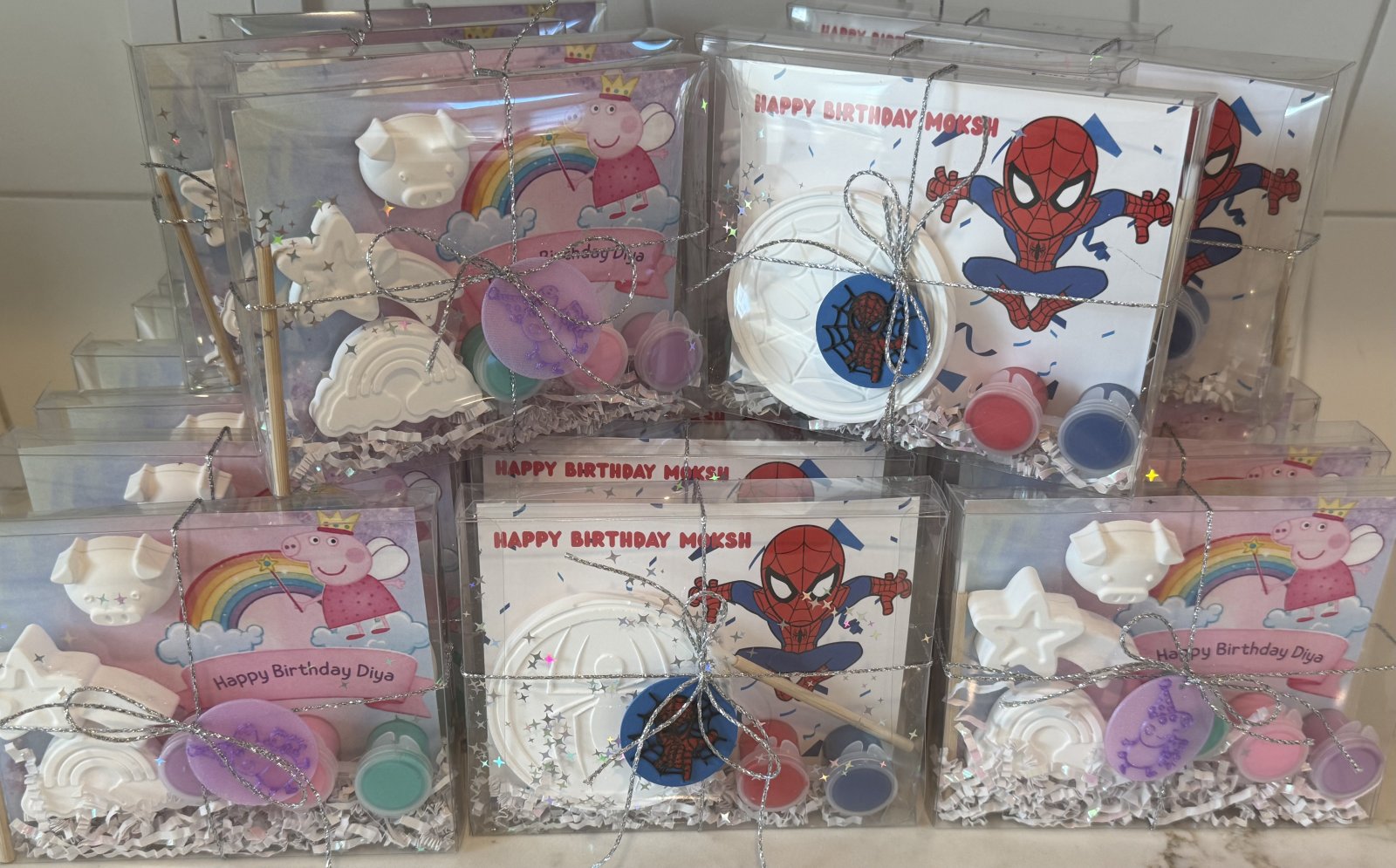
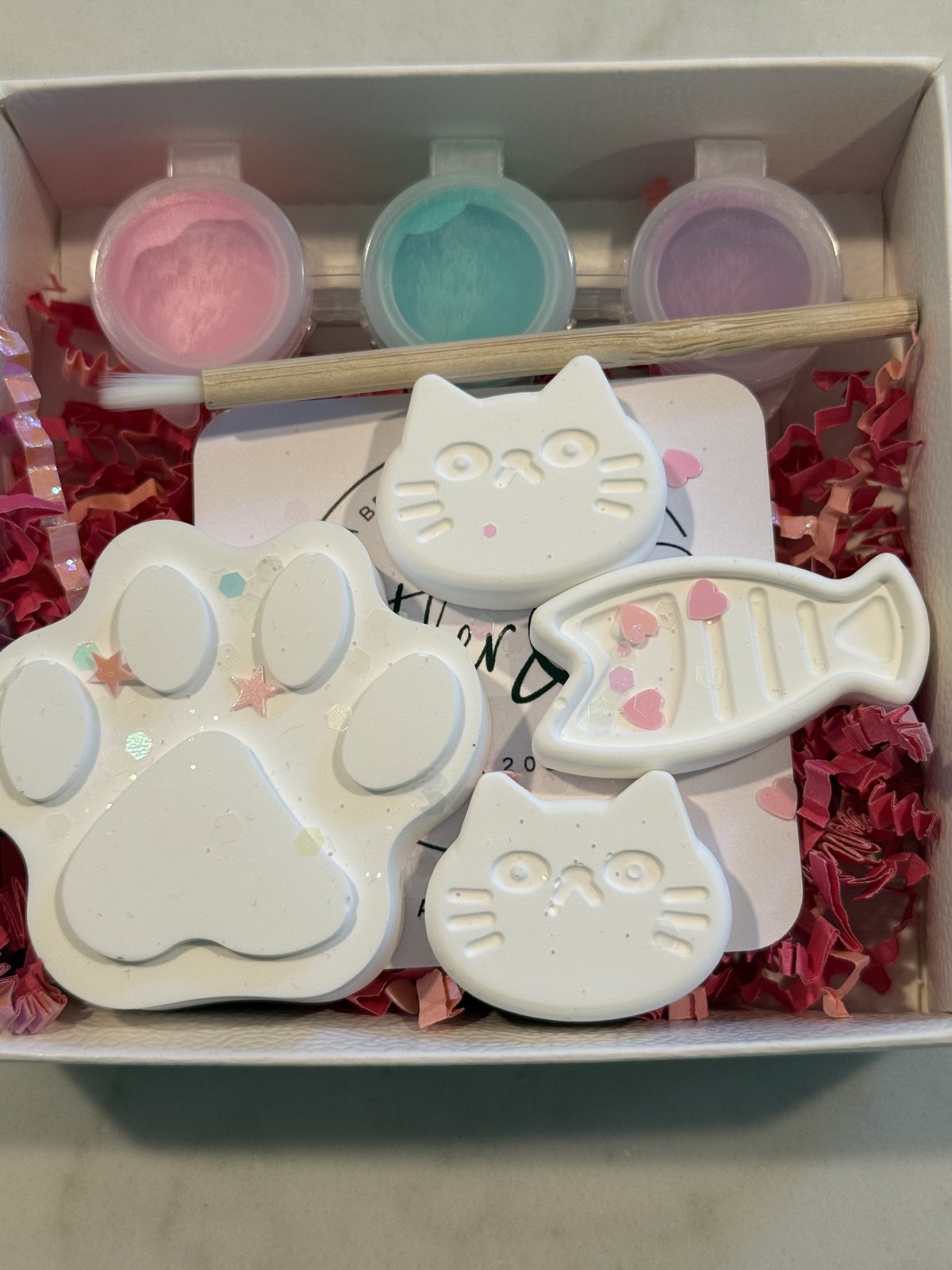
For a reader considering a painting or craft kit as a tactile stuffer, our beginner's guide to DIY painting kits walks through what to look for before you buy.
Watch out: play foam, sand, and similar materials end up in carpets and upholstery.
How to Keep the Whole Stocking Under Budget
A stocking does not need twelve items. A common pattern is three to five small gifts plus one consumable. If you are building around a per-item budget, the mix that tends to work is one puzzle, one tactile or craft item, one personal item, and one edible or consumable treat. That structure also makes it easier to buy to each child's stage instead of buying the same filler for everyone.
Stocking Stuffers for Kids Besides Candy
Candy is the default stocking filler, and it's the first thing kids forget. Swapping some of that sugar space for an activity gives the stocking staying power.
Screen-Free Activities That Keep Hands Busy
Screen-free activities are gifts that occupy a kid without a tablet, and they tend to get more repeat use than a toy that does one thing.
Sticker rolls are quietly excellent. An animal sticker roll gives a kid a long-running supply for decorating journals, cards, and school folders, and it costs very little.
For parents of kids who need to keep their hands busy, our guide to fidget toys for ADHD kids covers what tends to hold attention versus what gets abandoned.
Small Toys That Earn Their Space
Small toys are where junk accumulates fastest, so be picky. The test: does it do something the kid can't do with a stick and a rock?
A multi bubble trumpet turns a backyard into an activity, and it works for a wide age range.
If you want more small-item ideas that don't feel like clutter, our list of unique party favors for kids birthdays is built around the same principle.
Personalized Stocking Stuffers for Kids
A name on an object changes how a kid feels about it. Personalized gifts get kept, not lost, and that alone justifies the search.
Bag Charms, Keychains, and Names That Stick
Custom bag charms and keychains are the sweet spot here: small enough for a stocking, personal enough to feel chosen.
A named charm on a backpack can make the bag easier to identify at school. If you're ordering for a birthday close to the holidays, check current turnaround on our site before you commit, since custom items take longer than off-the-shelf ones.
Stocking Stuffers for Tweens and Teens
Tweens and teens are the hardest group to stuff, because they have outgrown toys but are not excited about socks. The mistake most lists make is treating this as one age band.
The frame that works is to buy to identity rather than to age. By late elementary and middle school, kids are building a sense of who they are, and a small gift lands when it fits that identity: a hobby, a style, a cause, a friend group.
For Ages 9-12: Accessories and Hobby Kits
- A custom bag charm or keychain is the sweet spot here. Pricing depends on personalization and quantity, so check Antler & Paw's website for current prices. It is small enough for a stocking, personal enough to feel chosen, and it clips to a backpack where it does double duty as identification. A named charm makes the bag easier to spot at school and harder to lose.
- A small hobby kit matched to what the kid already does, such as a beginner embroidery kit, a sketchbook with decent pencils, or a model kit. The test is whether it extends a hobby they already have rather than starting a new one they did not ask for.
- A travel-sized toiletry set in a scent they picked beats a novelty gadget every time, because it gets used and it signals that you noticed they are growing up.
For Ages 13-16: Useful, Small, and a Little Personal
- A phone accessory that solves a real problem, such as a short charging cable or a phone grip. Teens use these daily, and a spare cable is one of the few gifts that gets thanked for later.
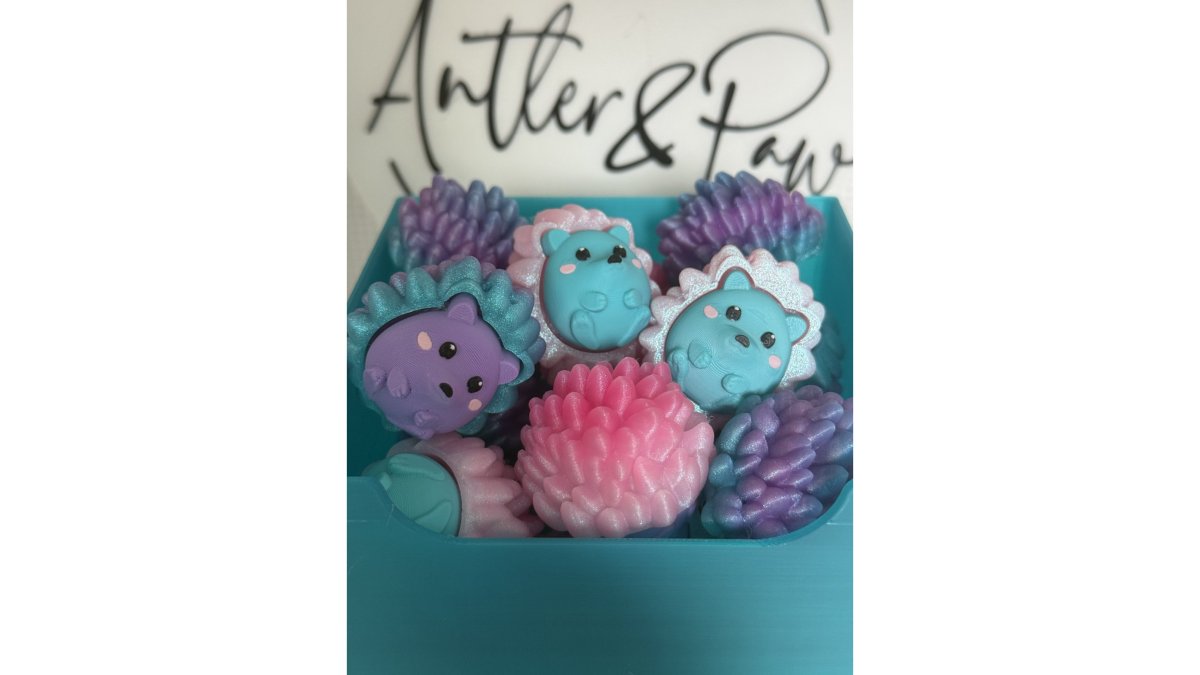
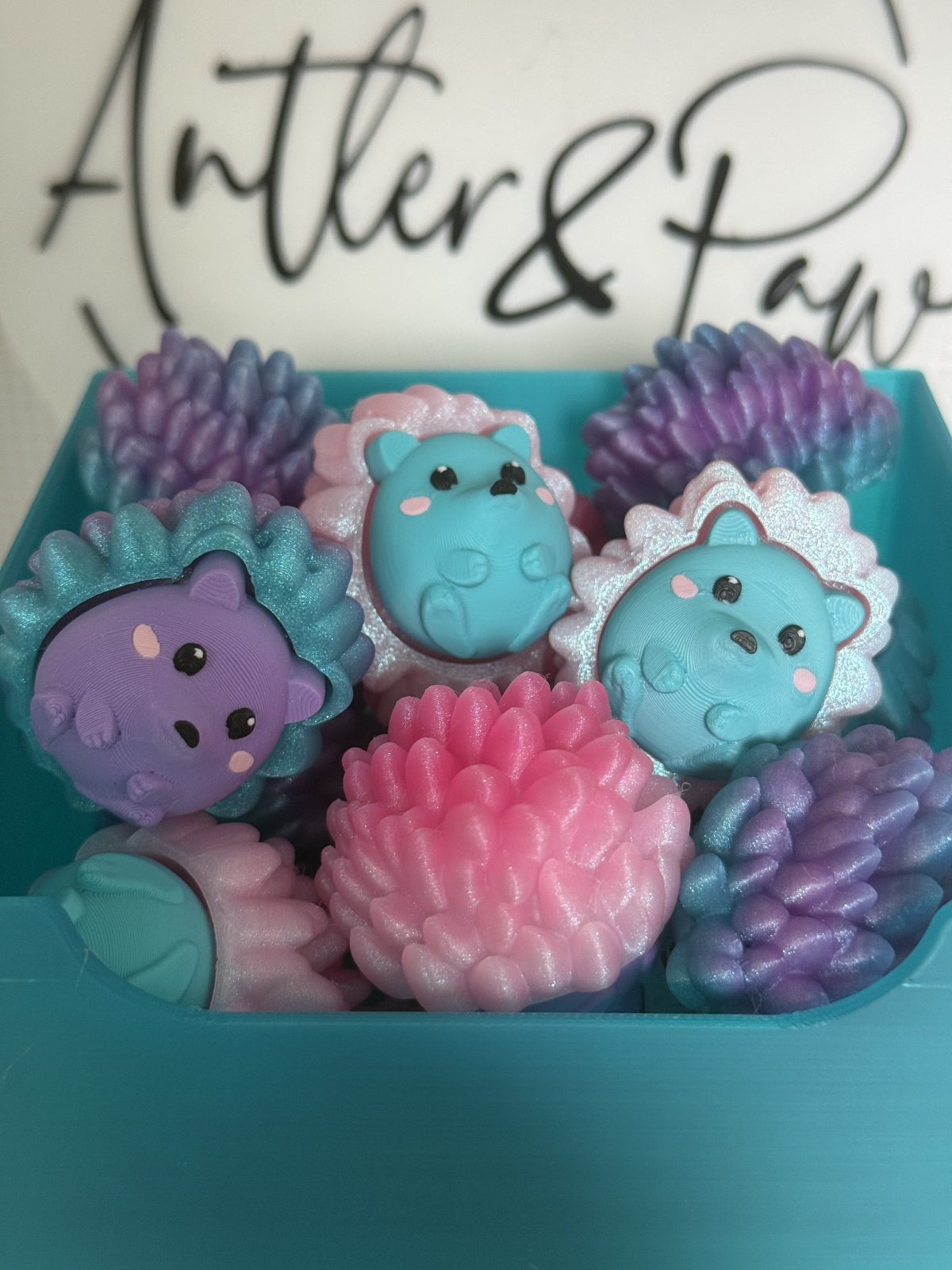
- A small fidget or desk toy can land well with older kids who like something to do with their hands during homework or car rides, especially a well-made 3D-printed piece that does not look like a toy for a younger child.
- A consumable treat in a flavor they actually like fills stocking space without adding clutter.
Skip anything that reads as babyish. A tween will clock it instantly, and the gift goes in the drawer.
Watch out: gift cards are a common fallback for this age, but a card with no thought behind it can read as a shrug. If you go that route, pair it with one small physical item so the stocking still has something to open.
Safety, Age Labels, and Choking Hazards to Check First
Age labels on toy packaging exist for a reason, and the holidays are when parents most often ignore them. Small parts are the main risk for kids under three, and the Consumer Product Safety Commission maintains recall lists and safety guidance worth checking before you buy.
A few habits that prevent problems:
- Match the age range on the package to the child, not to their sibling
- Check for small, detachable pieces on anything going to a child under three
- Look up recent recalls on any toy brand you don't know
If a gift is going to a mixed-age household, buy up a level for the older child and keep the smaller pieces separate.
Sensory-Friendly and Low-Waste Picks for Every Stocking
Some kids need gifts that respect sensory needs, and some families want less plastic waste. Both goals point toward the same kinds of gifts: durable, purposeful, and few.
Fidget toys are the obvious sensory pick, but quality varies. For a deeper look at matching a fidget to a specific need, our guide to fidget toys for sensory needs breaks it down by age and sensory profile.
Low-waste choices tend to be consumables or keepsakes: craft supplies that get used up, a charm that stays on a bag for years, a puzzle that gets handed down.
Building a Stocking That Gives Back This Season
A stocking can do more than fill a sock. Choosing gifts from makers who give back means the money you were going to spend anyway does a second job.
That's the idea behind Antler & Paw. Proceeds from our 3D-printed fidget toys, custom bag charms, and DIY painting kits support the Children's Hospital of Colorado, so a small gift carries a little further than the wrapping paper.
Here's a simple way to plan the whole stocking:
Gift type | Who it suits | Why it lasts |
|---|---|---|
Puzzle or brain game | Ages 5-10 | Repeat play, no screens |
Tactile play material | Ages 3-8 | Reusable, hands-on |
Stickers and craft supplies | Ages 4-12 | Consumable, creative |
Custom bag charm | Ages 6-16 | Personal, kept long-term |
Fidget toy | All ages | Daily use, durable |
Frequently Asked Questions
What are some unique stocking stuffers for kids that aren't candy?
Look for small items that do something: bubble trumpets, sticker rolls, and mini puzzle games all give kids an activity instead of sugar. A card holder for family game night or a DIY painting kit also works well. The test is whether the item gets used again in January. Anything that only looks cute in the stocking usually does not pass that test.
What are good stocking stuffers for kids under $25?
Plenty of solid options exist at modest prices, including tactile play materials, sticker rolls, and compact brain-teaser puzzles. Pricing depends on the item and any personalization, so check Antler & Paw's website for current prices. Set a per-item cap before you shop and you will avoid the last-minute overspend that comes with holiday browsing.
How do I choose age-appropriate stocking stuffers?
Check the age label on every item before it goes in the stocking. Small parts are a choking hazard for children under three, so skip anything that fits through a toilet paper tube for toddlers. For preschoolers, look for chunky pieces and simple cause-and-effect toys. Kids six and up can handle puzzles with small pieces and basic craft kits. Tweens and teens usually want items tied to their interests, like charms, keychains, or fidget tools for school.
Are personalized stocking stuffers for kids worth it?
Personalized items tend to get kept rather than tossed because they feel like they belong to the child. A custom bag charm with a name or a keychain in a favorite color turns a small gift into something a kid shows off at school. Check current turnaround on Antler & Paw's website before you order if you need items by a specific date.
What small gifts do kids actually use after the holidays?
Items tied to an existing habit are more likely to stay in use past December. Anything that requires a parent to set up a craft project or find batteries tends to sit on a shelf. Pick gifts that work with what your child already does every day.
The challenge this season is simple: build a stocking your kid still uses in February. We'd start with one personalized piece, one thing that keeps their hands busy, and one item they can make or solve. Antler & Paw makes customizable bag charms, 3D-printed fidget toys, and DIY painting kits, and every purchase supports the Children's Hospital of Colorado. Get started with Antler & Paw and build a stocking that isn't junk.