 How-to
How to Choose Art Kits for Kids and Beginners
Last Updated: November 5, 2026
Quick Summary
To choose art kits, first decide what the kit is for, then match it to the user's age and skill level. Check the age label, confirm the contents, and look for non-toxic, water-based materials and a clear list of what is included.
- Decide the purpose first: home play, a party favor, or a gift.
- Follow the age label on the box, and supervise younger users closely.
- Check that the kit includes everything needed to finish the project.
- Look for a clear non-toxic statement and water-based supplies for young artists.
- Compare kits on cost per finished project, and check whether supplies can be restocked.
Table of Contents
- Start With the Purpose of the Art Kit
- Match the Kit to Age and Skill Level
- What Does an Art Kit Include?
- Compare Kit Types and Included Materials
- Check Safety Labels and Material Quality
- Pick Best Art Supplies for Beginners and Paint-by-Number Kits for Beginners
- Booking Your First Kit: Budget, Refills and Next Steps
- Frequently Asked Questions
Choosing the right art kits for a child or a beginner comes down to a few simple questions. This guide is here to help you pick art kits that keep a young artist interested instead of ending up in a drawer.
Start With the Purpose of the Art Kit
Start by asking what the kit is for. A kit meant for a rainy afternoon at home needs different supplies than one for a birthday party or a quiet gift. The purpose shapes everything else you choose.
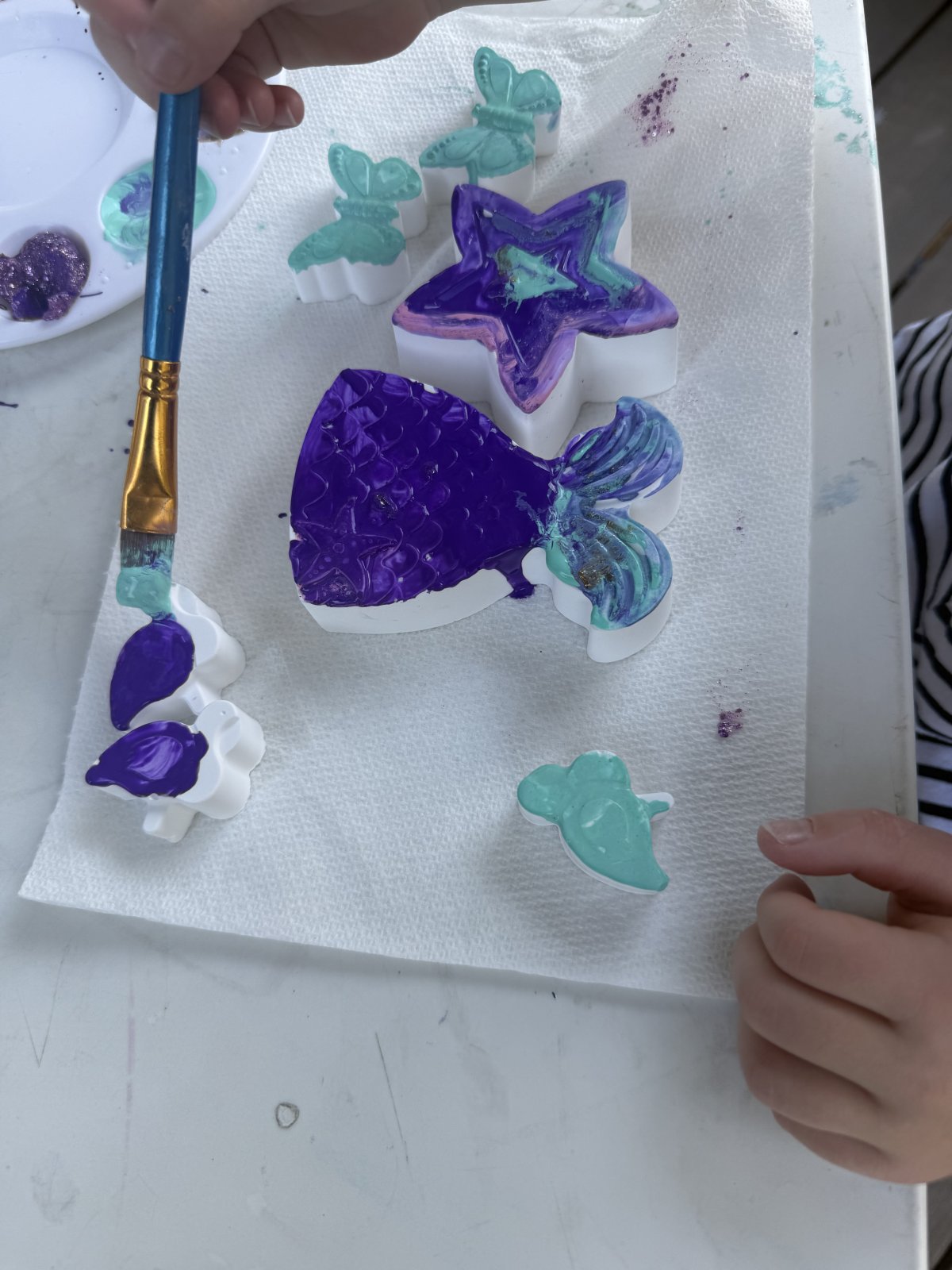
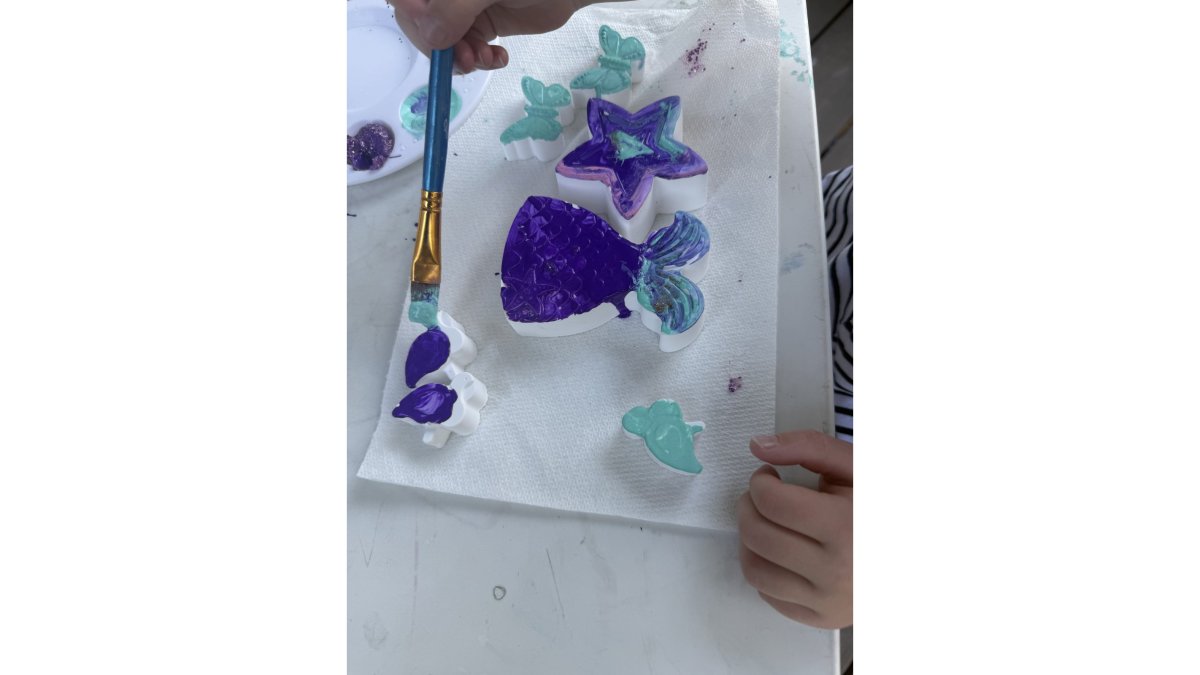
Think about who will use it and what they want to make. A kit that focuses on painting may suit a child who loves color, while a kit with markers and paper may suit one who likes drawing.
- Home play: Look for a mix of materials that lets a child try a few things.
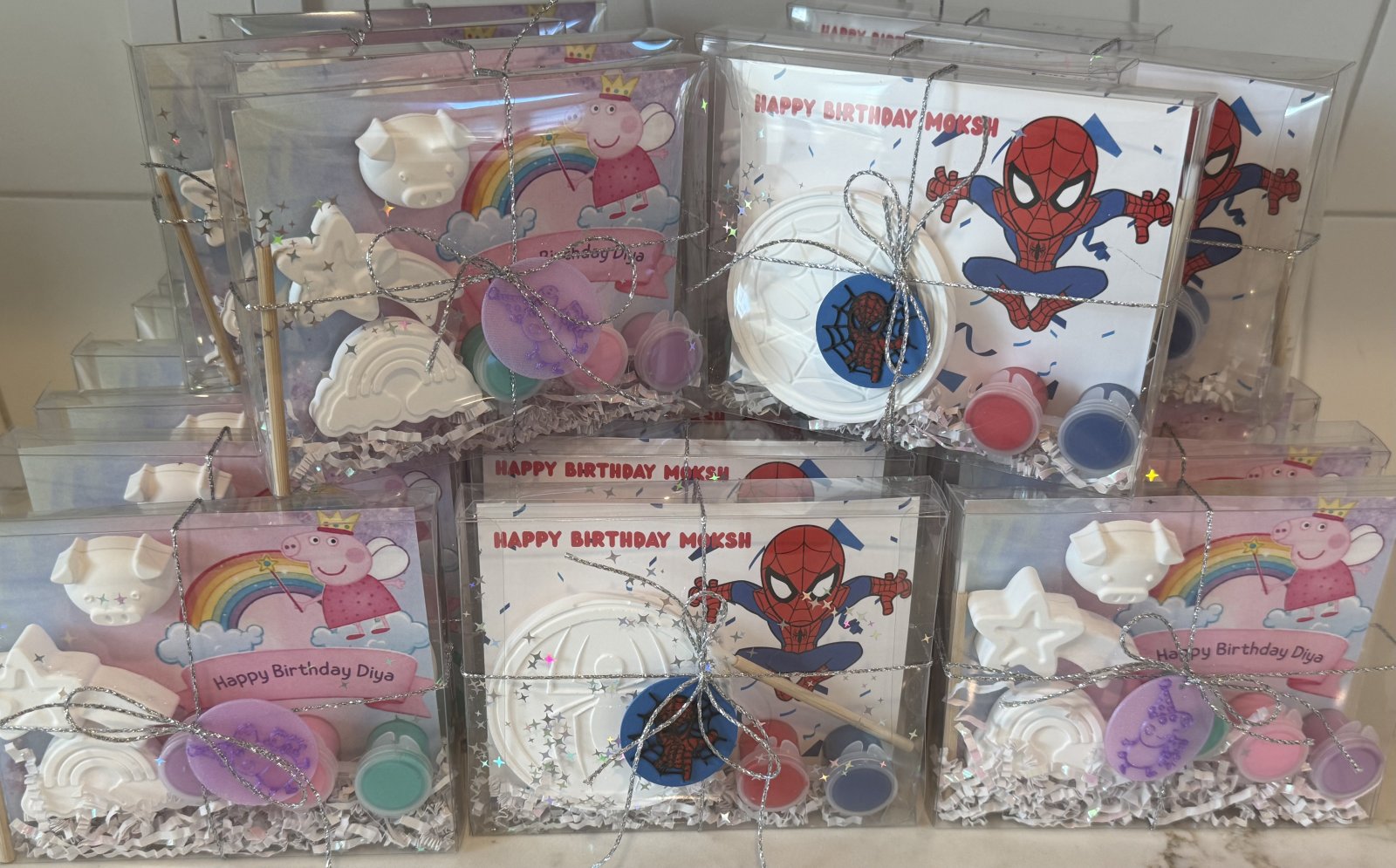
- Party favor: Choose something simple, quick to start, and easy to clean up.
- Gift: Pick a kit with clear instructions so the recipient can start on their own.
Match the Kit to Age and Skill Level
Age matters more than most people expect. For more on picking age-appropriate, focus-friendly toys, see our parent's guide to fidget toys for ADHD kids. Check the age label on the box, and treat it as a guide to what the materials can safely handle.
A 4-year-old and a 10-year-old need very different tools. Younger children do best with large, chunky supplies that are easy to hold. Older kids often enjoy more detail and longer projects.
Skill level counts too. A beginner should start with a kit that has pre-printed shapes or step-by-step directions. These help a new artist feel successful right away.
What Does an Art Kit Include?
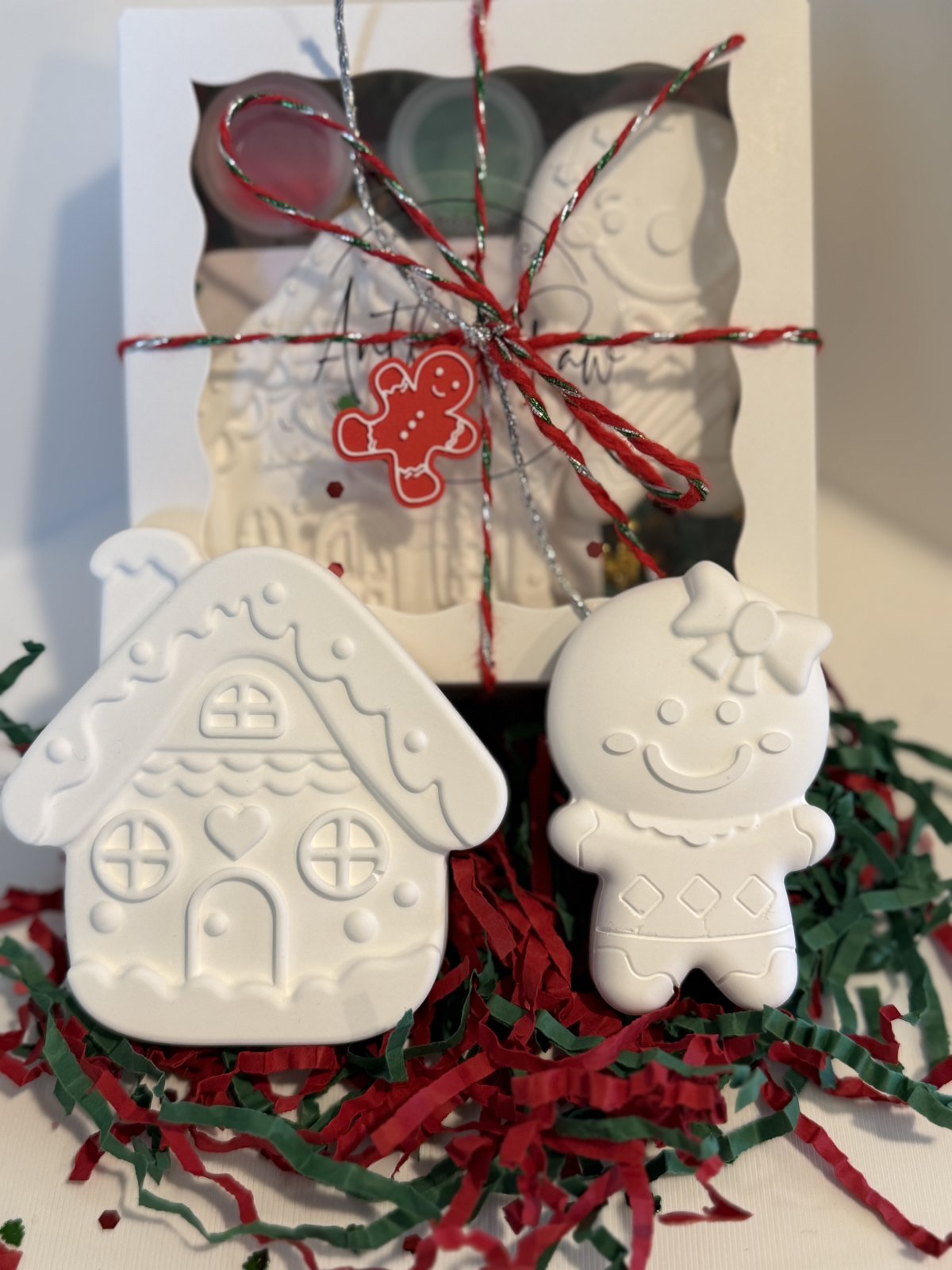
Most art kits include a mix of paper, drawing or painting tools, and a few extras. The contents vary a lot from one kit to the next, so read the list carefully before you buy.
Common items include:
- Paper or canvas boards
- Brushes, pencils, markers, or crayons
- Paints, paint cups, or palettes
- Instructions or a project guide
- Stickers, stencils, or templates
Check whether the kit includes everything needed to finish the project. A kit that calls for supplies you do not have can turn fun into frustration.
Compare Kit Types and Included Materials
Kits come in a few main types, and each suits a different person. Comparing them side by side makes the choice clearer.
Kit Type | Best For | What It Usually Includes | Watch For |
|---|---|---|---|
Paint-by-number | Beginners who want guided results | Pre-printed canvas, paints, brushes | Limited creative freedom |
Open-ended art set | Kids who like to experiment | Paper, drawing tools, paints | May need more guidance |
Themed craft kit | Gift-givers | Project pieces and instructions | Some supplies may be used up |
Sketching kit | Kids who love drawing | Pencils, paper, erasers | Less color variety |
A paint-by-number kit suits a child who wants a satisfying finish. An open-ended set suits one who wants to try new ideas. Pick the type that matches how the child likes to work.
Check Safety Labels and Material Quality
Safety is the first thing to check when you buy an art kit for a child, and the label on the box is where that check starts. Read it before you read the price.
Best Fidget Toys for ADHD Kids: A Parent's Guide
Age labeling. Age labels are not marketing suggestions. They reflect the smallest parts, the tools included, and the level of supervision the manufacturer expects. A kit labeled for ages 3 and up should not contain small parts that a younger sibling could swallow, while a kit labeled 8 and up may include fine brushes, sharpener blades, or small beads. If the intended user is at the low end of the range, plan to supervise.
Non-toxic and material statements. Look for a clear non-toxic statement on the package. Choosing less-toxic materials for children's art supplies is a common recommendation, and water-based supplies are generally a safer pick for young artists. Water-based markers, tempera, and watercolor are common examples. Solvent-based paints, permanent markers, and some glues carry stronger fumes and belong in a ventilated space with adult supervision.
Ventilation and workspace. Even low-odor supplies benefit from airflow. Set up near a window or in a room with a door open, and keep aerosols, spray fixatives, and solvent-based products out of small enclosed rooms. A common pattern is to treat the kitchen table as the art space and then wonder why the smell lingers; a ventilated room and a washable cover solve most of that.
Small parts and choking hazards. For households with children under 3, check every kit for beads, pom-poms, googly eyes, and small caps. A kit that is safe for a 7-year-old can still be a hazard for a toddler who shares the table. Store small-piece kits out of reach when not in use.
Material quality and durability. Quality affects both safety and longevity. Thin brushes bend at the ferrule, cheap paper tears when wet, and low-pigment paints can frustrate a child who expects color to show up. Read reviews for comments on brush shedding, paper weight, and whether paints dry chalky or flake. A kit with fewer but sturdier pieces often outlasts a larger set of flimsy ones.
Watch out: a "non-toxic" claim on the front of the box does not cover every item inside, so check the individual material statements on paints, glues, and markers rather than trusting the banner alone.
Pick Best Art Supplies for Beginners and Paint-by-Number Kits for Beginners
Beginners do best with supplies that are forgiving and easy to control. Choose brushes with a sturdy handle, paints that blend well, and paper that does not warp when painted.
Paint-by-number kits for beginners are a good place to start. The numbered sections show where each color goes, so a new artist can finish a piece with confidence. Once the child is comfortable, they can move on to open-ended projects.
- Start with a small kit that has a few colors.
- Choose a project that takes less than an hour to finish.
- Save bigger kits for when the child asks for more.
Booking Your First Kit: Budget, Refills and Next Steps
Set a budget before you shop, but compare kits on cost per finished project rather than sticker price alone. A single-project paint-by-number kit and a large open-ended set can sit at similar prices while delivering very different amounts of use.
What drives the price. Kit prices rise with the number of pieces, the quality of the tools, whether the kit is a single project or a multi-project set, and whether it includes a canvas or board instead of paper. A kit with a stretched canvas, several brushes, and a full paint set costs more than a paper-and-marker set, and it also produces a more finished result. Decide which of those you are paying for before you compare numbers.
Refillability and ongoing cost. This is where a low upfront price can mislead. Check whether the paints, paper, brushes, and project pieces can be replaced individually. Before buying, check whether a kit's supplies can be restocked, and whether the manufacturer sells individual components. A common pattern is a kit that looks affordable until the first project is done and the remaining supplies cannot be replaced.
Consumables versus durable tools. Separate what gets used up from what lasts. Paper, paint, and project pieces are consumables; brushes, palettes, and storage cases are durable. A kit that spends more of its price on durable tools and less on consumables often delivers better long-term value, especially for a child who will keep making art after the first project.
Time and completion value. Factor in how long the kit keeps the user engaged. A kit that finishes in under an hour is a good first experience, but a kit that offers several projects or open-ended materials stretches the same budget across more sessions. Match the time commitment to the user's attention span rather than buying the largest set available.
Next steps after the first kit. Once the first project is complete, decide whether to refill the same kit, move to a slightly more open-ended set, or add a single new medium such as watercolor or sketching. Buying one refill or one new medium at a time keeps costs predictable and lets the user's interests guide the next purchase.
When you are ready, browse our selection of DIY painting kits and choose one that fits the child's age, interests, and refill options. For a fuller introduction, see our complete beginner's guide to painting kits. A kit that matches their needs and can be restocked is the best way to build a lasting interest in art.
Frequently Asked Questions
What should an art kit include?
A solid art kit should include the core tools for its medium, such as brushes, paint or pencils, a surface like paper or canvas, and a palette or mixing tray. For beginners, clear step-by-step instructions matter just as much as the materials. Check whether the kit lists every item, whether the paints are water-based and labeled for children's use, and whether the surface is large enough for the project. Kits that include a finished-project reference help beginners know what success looks like. Missing items, especially brushes or paint, are a common complaint, so read the contents list before buying.
What are the best art supplies for beginners?
For most beginners, water-based acrylic or watercolor paints, synthetic brushes in a few sizes, and thick drawing or mixed-media paper work well. These materials are forgiving, easy to clean and widely available. Pre-printed guides or paint-by-number outlines reduce the difficulty of starting. Avoid buying large sets of professional-grade supplies before you know which medium you enjoy. A small, well-chosen starter set usually teaches more than an oversized kit that goes unused.
Are DIY art kits good for children?
DIY art kits can work well for children when they match the child's age and skill level. Look for age labels, washable and water-based materials, and clear instructions with pictures. Projects that take between 30 minutes and an hour are often a good fit for young children, while older kids may enjoy longer, multi-step projects. Test a simple project first, and be ready to help with cutting, mixing or brushwork. Keeping the activity low-pressure encourages children to keep creating.
How can I tell whether an art kit is worth buying?
Compare the number and quality of included materials against the price, rather than the price alone. Check whether the kit can be refilled with standard supplies, since ongoing costs matter for kits that are used repeatedly. Read the instructions before purchasing, and look for kits that explain how long a project takes. Reviews that mention completed projects and durability are more useful than general praise. Pricing varies by retailer, quantity and project type, so check current prices directly with Party Favors & Gifts or the seller before you order.